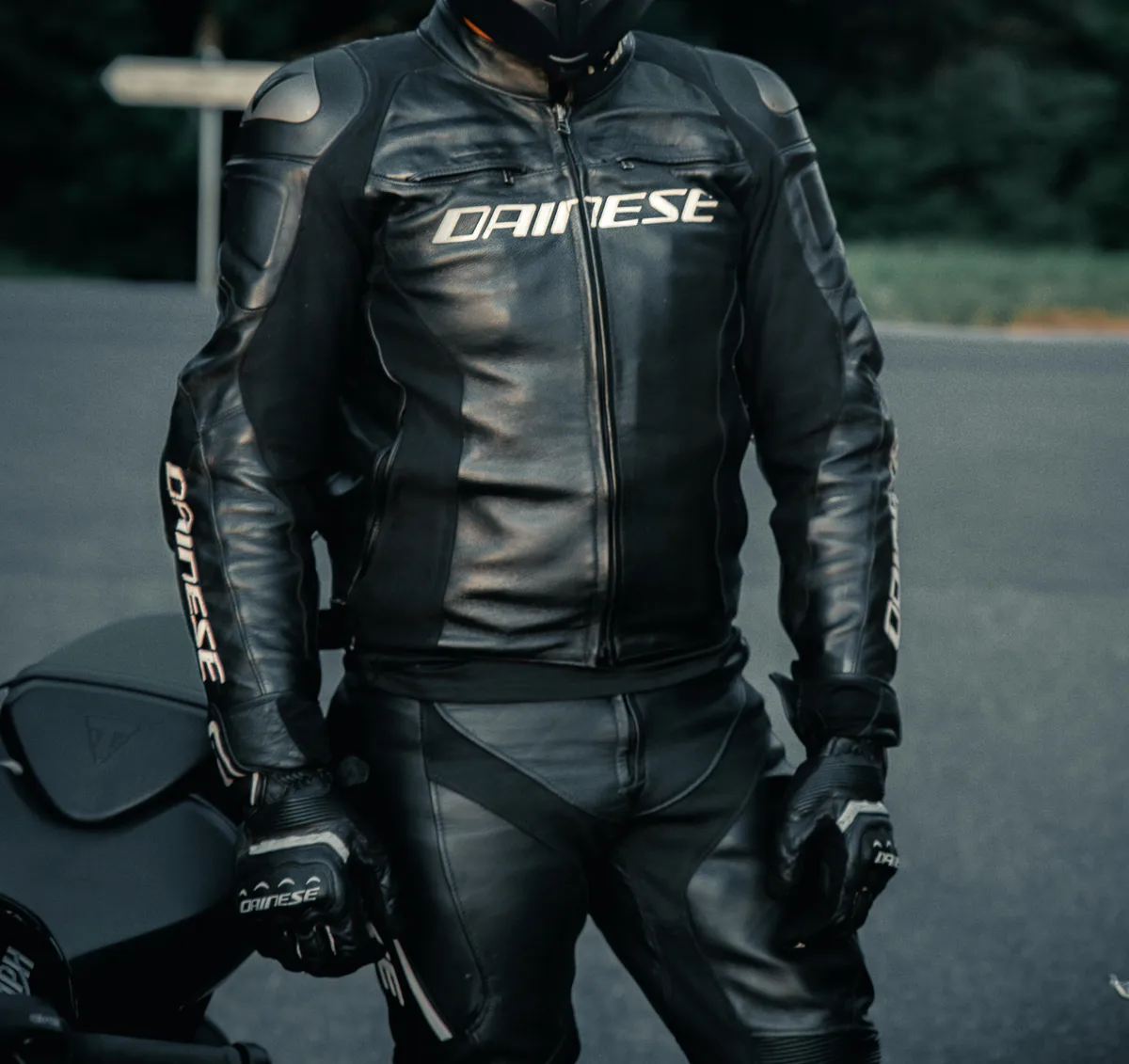
Motorcycle Rain Gear 2026 | Stay Dry on Two Wheels
Waterproof suits, over-pants, and gloves for wet rides. How to stay dry when the forecast fails and the rain hits.

Obsessive researcher who reads every Reddit thread and expert review so you don't have to. Years of research behind every guide.
Looking for more gear recommendations?
Browse All GuidesNothing exposes cheap gear faster than a sustained downpour, and nothing wrecks your focus quicker than water seeping in at the collar three miles from home. Rain riding is not dangerous because of the water itself, it is dangerous because being wet and cold quietly destroys your concentration and your dexterity right when reduced grip and poor visibility demand more of both. The fix is simple to say and easy to get wrong: commit to a genuinely waterproof setup before the first drop, not a "water-resistant" one you hope holds up. For most riders building a wet-weather kit in 2026, the smartest anchor is the RST Pro Series Adventure-X: a waterproof, CE-armored textile jacket that keeps the rain out while still protecting you in a crash. The rest of the kit builds from there, so let me walk you through what actually keeps you dry.
I earn a small commission if you buy through links on this page, at no extra cost to you. As an Amazon Associate, we earn from qualifying purchases. I only point riders toward gear I would be happy to wear myself.
In a Rush? Get the RST Pro Series Adventure-X jacket. It is genuinely waterproof, it carries CE armor, and it handles a real downpour rather than just a passing shower. Add the waterproof Alpinestars Andes V3 Drystar gloves so your hands stay dry enough to work the controls, and put your feet in the Gore-Tex KLIM Outlander GTX. That covers the three places water punishes you most. If your main jacket is not waterproof, a packable rain oversuit is your backup plan, which I will get to. Whatever you buy, look for a named membrane like Gore-Tex or Drystar rather than a vague "waterproof" claim, because that gap is the whole difference between staying dry and getting soaked.
| Best For | Product | Why This One |
|---|---|---|
| Overall | RST Pro Series Adventure-X | A waterproof, CE-armored shell that keeps rain out while still protecting you in a fall |
| Best Waterproof Gloves | Alpinestars Andes V3 Drystar gloves | A laminated Drystar membrane that keeps hands dry so wet fingers never fumble the controls |
| Best Waterproof Boots | KLIM Outlander GTX | A genuine Gore-Tex membrane that keeps your feet dry through sustained rain, not just a shower |
How I Picked These: Years of riding in weather most people would not walk to the car in teaches you that "waterproof" is the most abused word in gear marketing, because a jacket only proves it is lying once you are an hour into a downpour with no way to dry off. I lean on owner reports, the consensus across riding communities, and the actual membrane and certification details rather than a brand line about all-weather performance. I have not run these through a rain tower or a hydrostatic-pressure rig, and you should be skeptical of any wet-weather roundup that claims it did for a list like this. What I weigh is whether the waterproofing is a named, laminated membrane rather than a coating that wets out, whether the construction is laminated or a drop-liner, whether the armor is genuinely certified, and whether the gear keeps water out at the gaps where it always sneaks in. Staying dry is a system, and the weakest seam decides how wet you get.
Why Wet and Cold Wreck Your Focus, Not Just Your Comfort: Here is the part riders underrate. The danger of rain is rarely the water on the road alone, it is what being wet does to you over time. As water finds its way in and the wind evaporates it off your skin, your body sheds heat fast, and a cold, damp rider loses dexterity in the hands and feet and loses concentration across the board. Wet fingers fumble the clutch and brake, a chilled body reacts slower, and the low-grade misery of sitting in soaked gear pulls your attention away from the road exactly when reduced traction and poor visibility demand all of it. The riders who get caught out in the rain are not usually the ones who aquaplaned, they are the ones who got so wet and cold that a routine input came late or their eyes were so busy squinting through a streaming visor that they missed the car edging out. Staying dry is not about comfort for its own sake, it is about keeping your hands working and your head in the game. That is why I treat a genuinely waterproof setup as a safety priority in the wet, not a nicety.
Waterproof Membranes Versus Treatments: Get This Right First: Before you shop, understand the single distinction that decides whether you stay dry: a waterproof membrane versus a water-repellent treatment. A treatment, usually a durable water repellent or DWR coating, is sprayed or bonded onto the outer fabric so that water beads up and rolls off. It works well at first and is great for a passing shower, but it wears off with use and washing, and in sustained rain the outer fabric eventually "wets out," soaking through and leaving you relying on whatever is underneath. A waterproof membrane is a different thing entirely: a thin layer, like Gore-Tex or Alpinestars' Drystar, built into the garment that physically blocks liquid water from passing through while still letting water vapor escape, so you do not cook in your own sweat. The membrane is what keeps you dry in a real downpour, hour after hour, while the DWR treatment on the face fabric just helps the membrane breathe by stopping the outer from waterlogging. The practical takeaway: for genuine rain protection, buy gear with a named waterproof membrane, and treat anything that relies only on a coating or a vague "water-resistant" claim as shower protection, not storm protection. The membrane is the spec that matters, and the gear here is built around real ones.
Laminated Versus Drop-Liner: Where the Membrane Lives: There is a second distinction worth understanding because it changes how the gear feels and performs in the wet. In a laminated construction, the waterproof membrane is bonded directly to the outer shell fabric, so the outside layer itself is the waterproof layer. The benefit is that the jacket does not soak up water, it stays lighter, it dries faster, and it tends to keep performing for years. In a drop-liner construction, the membrane is a separate liner suspended inside the jacket, behind the outer fabric. The outer shell soaks up rain and gets heavy and cold even though the membrane underneath keeps you dry, and on a long wet ride that waterlogged outer can chill you and take ages to dry afterward. Drop-liner gear is usually cheaper and perfectly fine for occasional rain, while laminated gear is the better choice if you ride in the wet often, because the whole garment stays drier and more comfortable. Neither is wrong, but knowing which you are buying explains why two "waterproof" jackets can feel completely different an hour into a storm. Match the construction to how much wet riding you actually do.
The Best Overall: RST Pro Series Adventure-X The Pro Series Adventure-X is the jacket I point most wet-weather riders toward because it does the hard thing well: it keeps the rain out while still protecting you in a crash, and it does both without demanding a premium-touring budget. It is built waterproof, so a real downpour stays on the outside rather than the twenty-minutes-then-soaked experience of a treated-only jacket, and it carries CE armor at the shoulders and elbows with provision for a back protector, so you are not choosing between dry and protected. It vents when the rain stops and the sun comes back, which matters because wet-weather riding is rarely wet the whole way, and a jacket you can open up keeps you from boiling once the storm passes.
Who it is for: the all-weather commuter and tourer who wants one jacket that handles a wet commute without abandoning crash protection. The detail you only learn from owners is how well the waterproofing holds up over multiple wet seasons compared with budget jackets that wet out after a year. The honest limitation: a waterproof, armored textile jacket runs warmer and heavier than a vented summer mesh jacket, so it is more jacket than you need on a dry August evening, and like most European-cut gear it pays to check the sizing chart before you commit. As the anchor of a wet-weather setup that does not compromise protection, this is the call. The wider jacket breakdown lives in my best motorcycle jacket guide.
RST Pro Series Textile Jacket
RST
Year-round textile jacket for UK commuting. Waterproof membrane, removable thermal liner, CE Level 1 armour. Proven reliability in...
Check Price on Amazon →The Best Waterproof Gloves: Alpinestars Andes V3 Drystar Summer gloves turn into cold, soaked sponges the moment a real rain sets in, and as I said above, wet fingers that cannot work the controls precisely are a genuine hazard. The Andes V3 Drystar gloves are the pair I reach for when the forecast turns. They use a laminated Drystar waterproof membrane, insulation for the cold that usually comes with the wet, and long cuffs that overlap your jacket sleeve to seal the gap where water always tries to run in. They carry CE EN 13594 Level 1 certification, so you keep real impact and abrasion protection in the rain instead of dropping to an uncertified glove for the sake of staying dry.
Who it is for: commuters and tourers who ride in the wet and want dry, working hands without giving up protection. The detail you will appreciate on a long wet ride is that a laminated membrane keeps water out far longer than the coated liners in budget waterproof gloves, which wet through after a season and then hold cold water against your hands. The honest limitation: a waterproof, insulated glove is bulkier and less dexterous than a summer glove and runs hot above the mid-50s Fahrenheit, so this is a wet and cold-weather pair rather than a do-everything glove. Most riders who ride in all conditions end up owning a summer pair and a waterproof pair, and that is the right call rather than a compromise. The full glove breakdown is in my best motorcycle gloves guide.
Alpinestars Andes V3 Drystar Gloves
Alpinestars
Winter touring gloves with proven waterproofing. Thermal insulation and long cuffs. Handle UK winter commuting down to 0°C with pr...
Check Price on Amazon →The Best Waterproof Boots: KLIM Outlander GTX Wet feet are the most miserable part of a rainy ride and the hardest to recover from, because once water gets in there is nowhere for it to go and nothing to dry it on the move. The KLIM Outlander GTX is the boot I point most wet-weather riders toward because it keeps your feet dry in sustained rain rather than the soaked-by-mile-ten experience of cheaper boots. It has a genuine Gore-Tex membrane, it is CE certified for protection under CE EN 13634, the sole grips both pegs and wet pavement, and it is comfortable enough to walk in all day, which a lot of waterproof touring boots are not.
Who it is for: the commuter or tourer who rides in all weather and wants one boot that keeps their feet dry without punishing them off the bike. The detail you only learn from owners is how well the Gore-Tex holds up over seasons, where budget membranes wet out after a year and let water pool around your foot. The honest limitation: a tall waterproof boot runs warm in peak summer heat, and KLIM gear sits at the premium end, but a boot that genuinely keeps the rain out earns that quickly. The key thing to know is that even a waterproof boot lets water in from above if your pants funnel it down your leg, so always wear your riding pants over the boot cuff, not tucked in. The deeper boot breakdown is in my best motorcycle boots guide.
KLIM Outlander GTX
KLIM
A genuinely waterproof touring boot at a sane price: a Gore-Tex membrane keeps feet dry, CE certification handles protection, and ...
Check Price on Amazon →Not sure whether you need a fully waterproof jacket or a packable oversuit over your summer gear? The rider type quiz sorts it out in about a minute based on how often you actually ride in the wet.
Packable Rain Oversuits: The Backup Plan Every Rider Should Carry
Not everyone wants or needs a dedicated waterproof jacket, and that is exactly where the packable rain oversuit earns its place. The idea is a lightweight, fully waterproof jacket and pants, or a one-piece, that packs down small enough to live under your seat or in a tail bag and goes on over your normal riding gear the moment the sky opens. The strength of an oversuit is flexibility: you ride in your vented summer gear when it is dry, and when the rain hits, you pull over, throw the suit on, and stay dry without owning a separate waterproof everything. It is the cheapest way to add genuine rain protection to a kit built around warm-weather gear, and even riders with a waterproof main jacket often carry one as a backup for a storm that outlasts their gear. The tradeoffs are real, though. An oversuit flaps in the wind if it does not fit snugly, the seams are the weak point so look for taped or welded seams rather than just stitched ones, and you have to actually stop and put it on before you are soaked, which means watching the sky. Wind and water also love to find the gaps at the wrists, ankles, and neck, so get a suit with proper closures at all three. For the rider who only occasionally gets caught out, a good packable oversuit over summer gear is a smarter buy than a heavy waterproof jacket they would sweat in all summer. For the rider who commutes through wet seasons, a waterproof main jacket like the RST is the better daily answer, with an oversuit as the storm backup.
Visibility in the Wet: The Half of Rain Safety Nobody Buys Gear For
Staying dry is only half of riding safely in the rain. The other half is being seen and being able to see, and both get harder the moment it starts pouring. Spray off other vehicles, a streaming visor, gray light, and drivers peering through fogged windows all conspire to make you harder to spot exactly when stopping distances are longer. A few cheap moves make a real difference. Choose wet-weather gear in a high-visibility color or add a reflective element, because a rider in all-black on a gray rainy day is genuinely hard to see, and conspicuity is one of the few safety factors you control with a buying decision. Keep a clean visor and treat it with an anti-fog insert or coating, because a fogged or streaked visor in the rain is a real hazard, not a minor annoyance. Pin-lock-style anti-fog inserts and a water-repellent visor treatment that helps rain bead and run off both pay for themselves the first time you ride into a storm at dusk. And remember that your own brake light and a habit of covering the brake early do more for the driver behind you than any gear. You cannot buy your way out of poor visibility entirely, but choosing a brighter jacket and keeping your visor clear closes a surprising amount of the gap.
What to Avoid
Avoid trusting a "water-resistant" or DWR-treated jacket for serious rain. A treatment is shower protection, not storm protection, and it wears off, so a jacket that beaded water beautifully when it was new will wet out a year later in a sustained downpour. If you ride in real rain, buy a named waterproof membrane and treat the coating as a bonus that helps it breathe, not as the thing keeping you dry.
Be wary of vague "waterproof" claims that never name a membrane or explain the construction. There is a real gap between a laminated Gore-Tex or Drystar membrane and a cheap coated liner that wets out after a season and then holds cold water against you. The same applies to gloves and boots: a named, laminated membrane stays dry far longer than a coated liner, and in the rain that difference decides how the ride ends. If a listing talks about all-weather capability and "premium materials" but never names how it keeps water out, assume it does not for long.
Do not ignore the gaps, because that is where rain actually gets in. A genuinely waterproof jacket still soaks you if water runs down an open collar, up an untaped cuff, or into a boot from pants tucked inside it. Wet riders are usually let down by a seam or an overlap, not by the membrane itself, so seal the collar, overlap your glove cuffs over the sleeve, and wear your pants over your boots. And do not put off buying real rain gear because most of your riding is dry. The point of waterproof gear is the unplanned soaking, the commute home that turns into a storm, and that is exactly when "I will just risk it" leaves you cold, distracted, and riding worse than you should be.
How to Choose: What Actually Matters
Buy the membrane, not the marketing. A named waterproof membrane like Gore-Tex or Drystar is the spec that decides whether you stay dry in a real downpour, and a DWR treatment alone is shower protection that wears off. For genuine rain riding, name the membrane before you buy, and treat any "water-resistant" claim that does not name one as a garment for the occasional drizzle, not the storm.
Decide between laminated and drop-liner honestly. If you ride in the wet often, laminated construction keeps the whole garment drier, lighter, and faster to dry, and it is worth the extra cost. If you only get caught out occasionally, a drop-liner jacket keeps you dry even though the outer soaks up water, and it saves money. Match the construction to how much wet riding you actually do rather than to the riding you imagine.
Do not separate waterproof from protected. The mistake is buying a cheap rain shell with no armor and riding it over a t-shirt, trading crash protection for dryness. A jacket like the RST keeps you dry and carries CE armor, so you do not have to choose. If you go the oversuit route, wear it over properly armored gear, not instead of it, because rain does not make a crash any softer.
Seal every gap, because the membrane is rarely what lets you down. Match your gear so each piece overlaps the next: gauntlet-style gloves over the jacket cuff, pants over the boot, and a closed collar. Look for taped or welded seams on anything you trust in heavy rain, because a stitched seam without sealing lets water through the needle holes no matter how good the fabric is. The rider who stays driest is the one who closed the seams, not the one who spent the most.
Plan for the cold that comes with the wet, and for visibility. Rain almost always brings a drop in temperature, so a waterproof setup that also holds some warmth keeps you sharper on a long wet ride. And remember that staying dry does nothing if a driver cannot see you, so favor a brighter color or a reflective element and keep your visor clear with an anti-fog insert, because in the rain being seen matters as much as staying dry.
A note on safety: This guide is informational. I am not a certified safety professional. CE standards and product specifications change over time, so always confirm the current certification and waterproof rating on the manufacturer's documentation and check fit before you buy. Wet roads also mean reduced traction, longer stopping distances, and slippery painted lines and metal covers, none of which any gear can fix, so ride to the conditions and brake early and gently. No gear eliminates risk; riding in the rain always carries more of it.
Rain gear keeps you dry, focused, and in control, but it only works as part of a complete kit. Anchor the wet-weather setup with a waterproof, armored jacket from my best motorcycle jacket guide, keep your hands working with real protection from the best motorcycle gloves guide, and since most wet rides are also cold ones, plan the season properly with the winter motorcycle gear guide and the all-season riding gear guide. Cover the system end to end and you have a setup that turns a rainy commute from something you dread into something you barely notice. Still not sure how much wet-weather gear your riding demands? The rider type quiz will point you the right way.
What I'd Buy Today
If I were building a rain setup this week, I would start with the RST Pro Series Adventure-X jacket. It is genuinely waterproof, it carries CE armor, and it keeps you dry in a real storm without forcing you to choose between dry and protected. Get the RST on Amazon and you have the waterproof, armored outer layer the whole wet-weather kit hangs on. Pair it with the waterproof Alpinestars Andes V3 Drystar gloves so wet hands never fumble the controls, and put your feet in the Gore-Tex KLIM Outlander GTX to keep them dry through the worst of it. Then, whether or not your main jacket is waterproof, stash a packable rain oversuit under the seat as a backup, because the storm that outlasts your gear always shows up on the day you did not plan for it. Seal the gaps, pick a color a driver can actually see, and you have a setup that handles the wet without ruining the ride.
Buy the membrane, seal the seams, stay visible, and go ride through the rain everyone else is hiding from. The riders who keep going when the sky opens are not braver, they just stopped trusting "water-resistant" and bought gear that genuinely keeps them dry. New to riding in the wet? The all-season riding gear guide covers how to ride comfortably across every season. Heading into the cold as well as the wet? The winter motorcycle gear guide covers staying warm in detail. Still torn on what your climate demands? Run the rider type quiz and let it point you the right way.
As an Amazon Associate, we earn from qualifying purchases.
Frequently Asked Questions
Related Guides
Find Your Perfect Gear
Expert guides for helmets, jackets, gloves, boots, and more. Safety-focused recommendations for UK and US riders.
Browse All Guides